

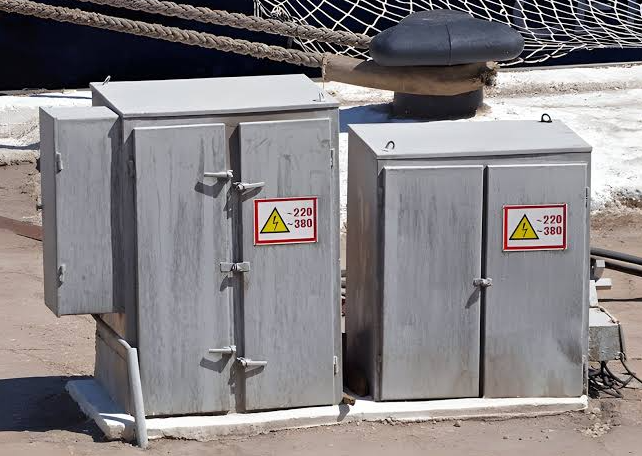
A grounding delta transformer is a specialized transformer used in electrical power systems to establish a neutral point and provide a grounding path in networks where a neutral connection is not naturally available. These transformers play a critical role in maintaining system stability, improving fault protection, and ensuring the safe operation of electrical distribution systems.
In modern industrial, commercial, and utility power networks, grounding is essential for equipment protection and personnel safety. Grounding delta transformers are widely used in applications involving ungrounded or impedance-grounded systems where effective fault current management is required. By creating an artificial neutral point, these transformers help reduce overvoltages, improve system reliability, and support protective relay operation.
This comprehensive guide explores the purpose, operation, components, applications, benefits, installation considerations, and maintenance requirements of grounding delta transformers.
What Is a Grounding Delta Transformer?
A grounding delta transformer is a transformer connected in a delta configuration and used primarily to provide a grounding reference for electrical systems that lack a naturally grounded neutral point.
Many power distribution systems operate with delta-connected windings, which do not inherently provide a neutral connection. Without a neutral point, fault detection and protection can become challenging. A grounding delta transformer addresses this issue by creating a path for ground fault currents.
Key functions of a grounding delta transformer include:
- Establishing a system grounding point
- Providing a neutral reference
- Limiting transient overvoltages
- Supporting ground fault protection
- Improving system stability
- Enhancing operational safety
These capabilities make grounding delta transformers an important part of many electrical systems.
See also: Powerful Email Writing Techniques for Better Communication
Why Grounding Is Important in Electrical Systems
Grounding is one of the most critical safety and protection measures in power distribution networks. Proper grounding helps control fault currents and maintain stable voltage levels during abnormal operating conditions.
Without effective grounding, electrical systems can become vulnerable to equipment damage, insulation stress, and dangerous voltage fluctuations.
The primary purposes of grounding include:
- Personnel protection
- Equipment protection
- Fault current control
- Voltage stabilization
- Lightning protection
- Improved system reliability
Grounding delta transformers help achieve these objectives in systems where conventional grounding methods may not be possible.
How a Grounding Delta Transformer Works
To understand the value of a grounding delta transformer, it is important to understand its operating principle.
The transformer creates a neutral point that can be connected directly to ground or through a grounding resistor. During normal operation, little or no current flows through the grounding connection. However, when a ground fault occurs, fault current flows through the transformer and grounding system.
The operational process typically involves:
- Establishing an artificial neutral point
- Providing a grounding path
- Detecting ground fault currents
- Supporting protective relay operation
- Stabilizing system voltages during faults
This process helps protect electrical equipment and improve overall system performance.
Main Components of a Grounding Delta Transformer
Grounding delta transformers consist of several essential components that ensure effective operation and long-term reliability.
Each component contributes to voltage transformation, insulation, cooling, or fault management.
The primary components include:
Transformer Core
The magnetic core provides a path for magnetic flux and enables efficient energy transfer.
Delta Windings
The delta-connected windings create the necessary electrical configuration for grounding applications.
Neutral Connection Point
This point provides the grounding reference required by the electrical system.
Insulation System
Insulation materials prevent electrical leakage and ensure safe operation.
Cooling System
Cooling mechanisms help maintain safe operating temperatures and improve transformer lifespan.
Protective Devices
Protective equipment monitors transformer conditions and responds to abnormal events.
Types of Grounding Delta Transformers
Grounding delta transformers are available in several configurations depending on the application and grounding requirements.
Selecting the appropriate type depends on system design and fault current objectives.
Common types include:
Zig-Zag Grounding Transformers
Zig-zag transformers are among the most common grounding transformers used in industrial and utility systems.
Advantages include:
- Efficient neutral creation
- Compact design
- Effective fault current handling
- Reduced transformer size
Wye-Delta Grounding Transformers
These transformers use a wye-connected winding to establish a neutral point while maintaining delta system operation.
Resistance Grounding Transformers
Resistance grounding transformers incorporate grounding resistors to limit fault current levels.
Solidly Grounded Transformers
These transformers provide a direct connection between the neutral point and ground.
Applications of Grounding Delta Transformers
Grounding delta transformers are widely used in power systems where grounding is necessary but a natural neutral point is unavailable.
Their versatility makes them suitable for numerous industrial and utility applications.
Common applications include:
- Industrial manufacturing plants
- Petrochemical facilities
- Mining operations
- Utility substations
- Renewable energy installations
- Data centers
- Commercial facilities
- Water treatment plants
- Power generation facilities
- Distribution networks
These applications depend on reliable grounding for safe and efficient operation.
Benefits of Using a Grounding Delta Transformer
Organizations utilize grounding delta transformers because they provide significant operational and safety advantages.
These benefits contribute to improved power quality, equipment protection, and system reliability.
Major advantages include:
Enhanced Ground Fault Detection
Grounding transformers provide a path for fault current, enabling protective devices to detect and isolate faults.
Improved System Stability
Proper grounding helps stabilize system voltages during abnormal operating conditions.
Reduced Equipment Damage
Ground fault currents are managed more effectively, reducing stress on equipment.
Increased Personnel Safety
Grounding minimizes hazardous touch and step voltages.
Better Protective Relay Performance
Grounding improves the effectiveness of protection systems.
Reduced Transient Overvoltages
The transformer helps control voltage surges that may occur during faults.
Understanding Ground Faults and Their Impact
Ground faults are among the most common electrical system disturbances. They occur when an energized conductor unintentionally contacts ground or grounded equipment.
Without proper grounding, ground faults can create significant operational and safety risks.
Potential consequences include:
- Equipment damage
- Production downtime
- Fire hazards
- Insulation failure
- Voltage instability
- Personnel injury
Grounding delta transformers help mitigate these risks by providing a controlled fault current path.
Grounding Methods Used with Delta Transformers
Various grounding methods can be implemented depending on system requirements and protection objectives.
Each method offers unique advantages and limitations.
Common grounding approaches include:
Solid Grounding
Solid grounding provides a direct connection between the neutral point and earth.
Benefits include:
- Fast fault detection
- Simple implementation
- Effective protection coordination
Resistance Grounding
Grounding resistors limit fault current magnitude while maintaining fault detection capability.
Reactance Grounding
Reactors are used to limit fault current and control system performance.
Resonant Grounding
This method uses tuned reactors to minimize fault currents and reduce system stress.
Selection Criteria for Grounding Delta Transformers
Choosing the right grounding transformer requires careful evaluation of system requirements.
Proper selection ensures reliable operation and effective fault protection.
Important considerations include:
System Voltage
The transformer must be rated appropriately for the system voltage.
Fault Current Requirements
Determine the expected fault current levels and grounding objectives.
Continuous Current Rating
The transformer should accommodate expected operating conditions.
Environmental Conditions
Installation location and environmental factors influence transformer design requirements.
Protection Coordination
The grounding transformer should integrate effectively with protective devices.
Installation Requirements for Grounding Delta Transformers
Proper installation is essential for ensuring safe and reliable operation.
Following recommended installation practices helps maximize performance and lifespan.
Key installation considerations include:
- Proper grounding connections
- Adequate ventilation
- Structural support
- Correct conductor sizing
- Environmental protection
- Compliance with electrical codes
- Accessibility for maintenance
Professional installation is recommended for all grounding transformer applications.
Maintenance of Grounding Delta Transformers
Routine maintenance plays a vital role in maintaining transformer reliability and preventing unexpected failures.
A proactive maintenance strategy helps identify issues before they become serious problems.
Typical maintenance activities include:
Visual Inspections
Regular inspections help identify physical damage, leaks, or signs of overheating.
Insulation Testing
Testing verifies insulation integrity and overall transformer condition.
Connection Checks
Loose connections can create excessive heat and operational problems.
Temperature Monitoring
Monitoring temperatures helps identify developing faults.
Grounding System Verification
Grounding connections should be periodically inspected and tested.
Common Problems and Troubleshooting
Although grounding delta transformers are highly reliable, occasional issues may occur during operation.
Understanding common problems helps maintenance personnel respond effectively.
Typical issues include:
Overheating
Often caused by excessive fault current or inadequate cooling.
Insulation Deterioration
Aging insulation can affect transformer reliability.
Ground Connection Failure
Poor grounding connections may compromise fault protection.
Excessive Noise
Mechanical vibration or core issues may create unusual sounds.
Moisture Contamination
Moisture can negatively affect insulation performance.
Regular maintenance helps minimize these risks.
Safety Considerations for Grounding Delta Transformers
Safety should always be a primary consideration when working with electrical grounding systems.
Grounding transformers contribute significantly to system safety but must also be maintained properly.
Important safety practices include:
- Following lockout/tagout procedures
- Verifying grounding integrity
- Conducting routine inspections
- Maintaining protective equipment
- Monitoring fault conditions
- Ensuring code compliance
These measures help protect personnel and equipment.
Industry Standards and Compliance
Grounding delta transformers must comply with relevant electrical standards and regulations.
Compliance helps ensure safe operation and system reliability.
Common standards include:
- IEEE standards
- IEC standards
- ANSI standards
- NEC requirements
- Utility specifications
- Local electrical regulations
Adhering to these standards supports safe and effective system operation.
Future Trends in Grounding Transformer Technology
Electrical power systems continue to evolve, and grounding transformer technology is advancing alongside them.
New technologies are improving reliability, monitoring capabilities, and overall performance.
Emerging trends include:
- Smart transformer monitoring
- Digital fault analysis
- Predictive maintenance systems
- Advanced insulation materials
- Improved cooling technologies
- Renewable energy integration
- Enhanced protection coordination
These innovations are helping organizations improve power system performance and reliability.
Why Grounding Delta Transformers Are Essential
Modern electrical systems require effective grounding to ensure safety, reliability, and compliance. Grounding delta transformers provide a practical solution for systems where a neutral point is unavailable.
Their ability to support fault detection, stabilize voltages, and improve protection system performance makes them indispensable in many industrial and utility applications.
Organizations depend on grounding delta transformers because they offer:
- Reliable grounding solutions
- Improved system safety
- Enhanced fault protection
- Better voltage stability
- Long-term reliability
- Regulatory compliance
These advantages make grounding transformers a critical component of modern electrical infrastructure.
Conclusion
A grounding delta transformer is an essential device used to establish grounding in electrical systems that do not naturally provide a neutral point. By creating a reliable grounding path, these transformers improve safety, support fault detection, stabilize system voltages, and protect valuable equipment.
From industrial facilities and utility substations to renewable energy projects and commercial installations, grounding delta transformers play a vital role in maintaining safe and reliable electrical operations. Understanding their purpose, operation, applications, and maintenance requirements helps engineers and facility managers make informed decisions that enhance system performance and long-term reliability.
As electrical networks continue to evolve, grounding delta transformers will remain a key component in ensuring safe, efficient, and dependable power distribution systems.