

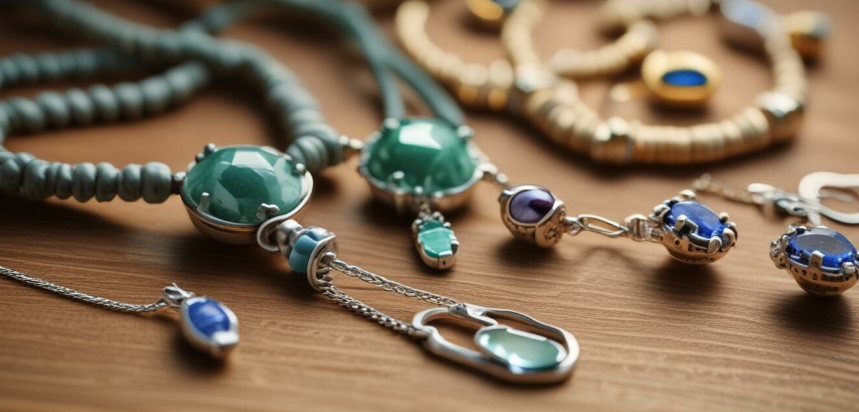
The jewellery industry is undergoing a remarkable transformation. As consumers become more conscious of environmental and ethical concerns, the demand for sustainable alternatives is steadily rising. From responsibly sourced metals to innovative gemstone creation, sustainability is no longer a niche preference—it is becoming the new standard. Among the most exciting developments is the growing popularity of lab grown alexandrite, a gemstone that embodies beauty, innovation, and responsibility.
Sustainable gemstones are shaping the future of jewellery by offering ethical sourcing, environmental protection, technological advancement, and long-term value. This shift reflects a broader movement toward mindful luxury, where elegance and ethics go hand in hand.
The Environmental Impact of Traditional Mining
Traditional gemstone mining has long been associated with significant environmental consequences. Large-scale mining operations can lead to deforestation, soil erosion, water contamination, and habitat destruction. Extracting rare stones from deep within the earth requires heavy machinery and substantial energy consumption, which contributes to carbon emissions.
As awareness grows, many consumers are questioning whether the beauty of a gemstone should come at such a high environmental cost. This concern has accelerated interest in sustainable alternatives like lab grown alexandrite, which eliminates the need for destructive mining practices while maintaining the same physical and chemical properties as mined stones.
Ethical Sourcing and Transparency
Beyond environmental concerns, ethical sourcing has become a major issue in the jewellery industry. Historically, some gemstones have been linked to unsafe working conditions, unfair wages, and conflict financing. Modern buyers, particularly younger generations, want transparency about where and how their jewellery is produced.
Sustainable gemstones offer a solution. Lab-created stones are produced in controlled environments, ensuring ethical labor practices and full traceability. When someone chooses lab grown alexandrite, they can be confident that their purchase supports innovation rather than exploitation. This level of transparency is reshaping consumer expectations and setting new industry standards.
The Rise of Lab-Created Gemstones
Technological advancements have revolutionized gemstone production. Scientists can now replicate the natural conditions under which gemstones form, creating stones that are chemically, physically, and optically identical to their mined counterparts.
One of the most fascinating examples is lab grown alexandrite, known for its extraordinary color-changing properties. Just like natural alexandrite, it shifts from greenish hues in daylight to reddish tones under incandescent light. The difference lies not in quality, but in origin. Because it is created in a laboratory, lab grown alexandrite avoids the environmental damage associated with mining while offering consistent quality and availability.
The rarity of natural alexandrite has historically made it extremely expensive and difficult to source. In contrast, lab grown alexandrite provides a more accessible option without compromising brilliance or durability. This accessibility is opening the door for more consumers to experience luxury responsibly.
Meeting Modern Consumer Values
Today’s consumers are redefining what luxury means. Status is no longer measured solely by rarity or price but by values and impact. People want jewellery that reflects their beliefs about sustainability, fairness, and innovation.
Sustainable gemstones align perfectly with these priorities. Choosing lab grown alexandrite demonstrates a commitment to reducing environmental harm while embracing cutting-edge technology. It appeals to environmentally conscious couples searching for engagement rings, collectors seeking rare beauty without guilt, and designers aiming to create responsible collections.
As social media and digital platforms increase awareness about sourcing practices, brands that embrace sustainable stones like lab grown alexandrite are gaining trust and loyalty. Transparency has become a competitive advantage in the jewellery market.
See also: What Should You Consider Before Choosing a Lab-Grown Gemstone?
Innovation Driving Design Possibilities
Sustainability is not limiting creativity—it is expanding it. Because lab-created stones can be produced with fewer supply constraints, designers have more freedom to experiment with cuts, sizes, and settings.
With lab grown alexandrite, jewellers can access consistent color quality and clarity, enabling bold and innovative designs. The gemstone’s dramatic color shift inspires unique pieces that capture attention and spark conversation. Designers can confidently incorporate lab grown alexandrite into modern, vintage-inspired, or avant-garde styles without worrying about unpredictable supply chains.
This reliability supports a more stable and scalable jewellery industry. Rather than depending on sporadic mining yields, brands can plan collections around dependable access to sustainable stones.
Economic and Long-Term Benefits
Sustainable gemstones also offer financial advantages. Because mining costs and rarity drive up prices for natural stones, lab-created alternatives can provide better value. Lab grown alexandrite, for example, delivers the same stunning optical effects as mined alexandrite but at a more attainable price point.
This affordability does not diminish its appeal. In fact, it democratizes luxury, allowing more people to invest in high-quality jewellery. Additionally, lab-grown gemstones are typically free from many of the inclusions found in mined stones, enhancing durability and visual clarity.
As production technology continues to advance, efficiency will likely improve further, reinforcing the long-term viability of sustainable gemstones in mainstream markets.
Supporting a Circular and Responsible Future
The future of jewellery lies in circular practices—recycling metals, minimizing waste, and reducing environmental impact at every stage of production. Sustainable gemstones play a crucial role in this ecosystem.
By choosing lab grown alexandrite, consumers actively reduce the demand for newly mined materials. When combined with recycled gold or platinum, lab-grown stones help create jewellery pieces with significantly smaller carbon footprints. This holistic approach is reshaping how the industry defines value and responsibility.
Moreover, sustainable practices encourage innovation beyond gemstones. Packaging, shipping, and manufacturing processes are also evolving to reduce waste and emissions. The rise of lab grown alexandrite symbolizes a broader commitment to transforming jewellery into a more ethical and environmentally conscious industry.
A New Definition of Luxury
Luxury has always been about rarity, beauty, and craftsmanship. Today, it also includes responsibility. Sustainable gemstones are not a passing trend—they represent a permanent evolution in consumer expectations and industry practices.
Lab grown alexandrite exemplifies this new era. It combines scientific advancement with timeless elegance, offering a gemstone that is as mesmerizing as it is mindful. As more consumers prioritize sustainability, the demand for ethical alternatives will continue to grow.
In the years ahead, sustainable gemstones will likely dominate the jewellery market, driven by innovation, transparency, and shifting cultural values. By embracing options like lab grown alexandrite, the industry is proving that luxury and sustainability can coexist beautifully—shaping a future where jewellery not only shines but also stands for something greater.
